

The allure of risk and reward
The thrill of risk-taking serves as a powerful motivator for many individuals, and casinos expertly harness this psychological concept. When patrons step into a casino, they are often captivated by the potential for immediate rewards, whether that means winning money or receiving enticing prizes. This includes exploring various games and promotions, such as those found at uk casino sister sites , which can trigger feelings of excitement and adrenaline that are nearly intoxicating. This combination of risk and the possibility of a significant payoff creates an alluring environment that keeps players engaged and eager to place their next bet, enhancing the overall experience of gambling.
This concept is further intensified by the unpredictable nature of gambling. Unlike many other activities in life, the outcomes of games in casinos are often uncertain, leading to heightened emotional responses. For example, when a player wins, the brain releases dopamine, a neurotransmitter associated with pleasure and reward. This biological reaction reinforces the behavior, encouraging players to return for more excitement and potential wins, creating a cycle of gambling that can be challenging to break. The anticipation of a possible win can be just as exhilarating as the win itself.
Furthermore, casinos are meticulously designed to maximize the sense of excitement and anticipation. The sounds of coins clinking, the dazzling lights, and the buzz of fellow players all contribute to an exhilarating atmosphere. This sensory overload can heighten feelings of euphoria, creating a potent environment for gamblers. The more immersive the experience, the deeper the psychological impact, making it easy to understand why many individuals find it challenging to resist the call of the casino floor. This allure forms a significant part of the attraction to gambling destinations worldwide.
The social aspect of gambling
Another crucial factor contributing to our love for casinos is the social interaction they facilitate. Casinos serve as vibrant social hubs where people can connect over a shared interest in gaming. Whether it’s sharing a table at blackjack or cheering on a friend during a poker game, the communal experience fosters a sense of camaraderie among players. This social aspect can enhance the enjoyment of gambling, as players form friendships and engage with others, enriching the experience and making it far more fulfilling than solitary activities.
This interaction also creates a sense of belonging. In a casino, players often see familiar faces, fostering a community feel that can be comforting. This social reinforcement can encourage individuals to return, maintaining their engagement with gambling as part of their lifestyle. The presence of other players can also influence decision-making; individuals might feel more inclined to place bets or participate in games when they observe others doing the same. This dynamic further amplifies the thrill of the experience, making it not just about winning, but also about shared moments and social connections.

Additionally, the stakes involved can lead to exciting discussions and shared strategies among players. This exchange of ideas can create a welcoming environment where novices feel encouraged while seasoned players share their insights. Such interactions can enhance the gaming experience and foster a culture of learning and growth within the casino community. Ultimately, the social dynamics at play within casinos significantly contribute to their appeal, providing a compelling reason why people are drawn to these gaming establishments.
The escape from reality
For many, visiting a casino offers a much-needed escape from the burdens of everyday life. The hustle and bustle of daily responsibilities can be overwhelming, and stepping into a casino provides a temporary reprieve. The bright lights and vibrant atmosphere create a stark contrast to the monotony of routine, allowing players to immerse themselves in a world filled with excitement and possibilities. This form of escapism can be especially attractive during challenging times, as it allows individuals to forget their worries and indulge in a fantasy world where anything seems possible.
The allure of gambling often stems from the possibility of changing one’s financial situation. The hope of striking it rich can act as a powerful motivator, pushing individuals to take risks they might not consider in their daily lives. This desire for financial freedom can lead to a fixation on gambling as a potential solution to personal issues, which, although rarely realized, reinforces the desire to keep playing. It’s crucial to acknowledge that while this escapism can be enjoyable, it also has the potential to become detrimental if individuals lose track of their boundaries and the reality of their financial situations.
Moreover, the immersive nature of casino environments is deliberately designed to facilitate this escape. Every aspect, from the architecture to the game choices, is crafted to draw individuals deeper into the experience. Players may find themselves losing track of time as they become engrossed in gameplay, fostering a sense of euphoria that can be incredibly hard to resist. This escapism, while initially beneficial, can lead to an unhealthy association with gambling as a means to cope with life’s challenges, highlighting the importance of maintaining a balanced approach to gaming.
The role of marketing and design
Casinos utilize sophisticated marketing strategies that play a pivotal role in attracting and retaining customers. The incorporation of psychological principles in their design is essential for creating an inviting and engaging atmosphere. From the moment visitors enter, they are met with symbols of wealth and luxury, artfully arranged to entice them into playing. This carefully curated environment is designed to invoke feelings of desire and aspiration, making patrons feel that fortune is just within reach, thereby enhancing their overall experience.
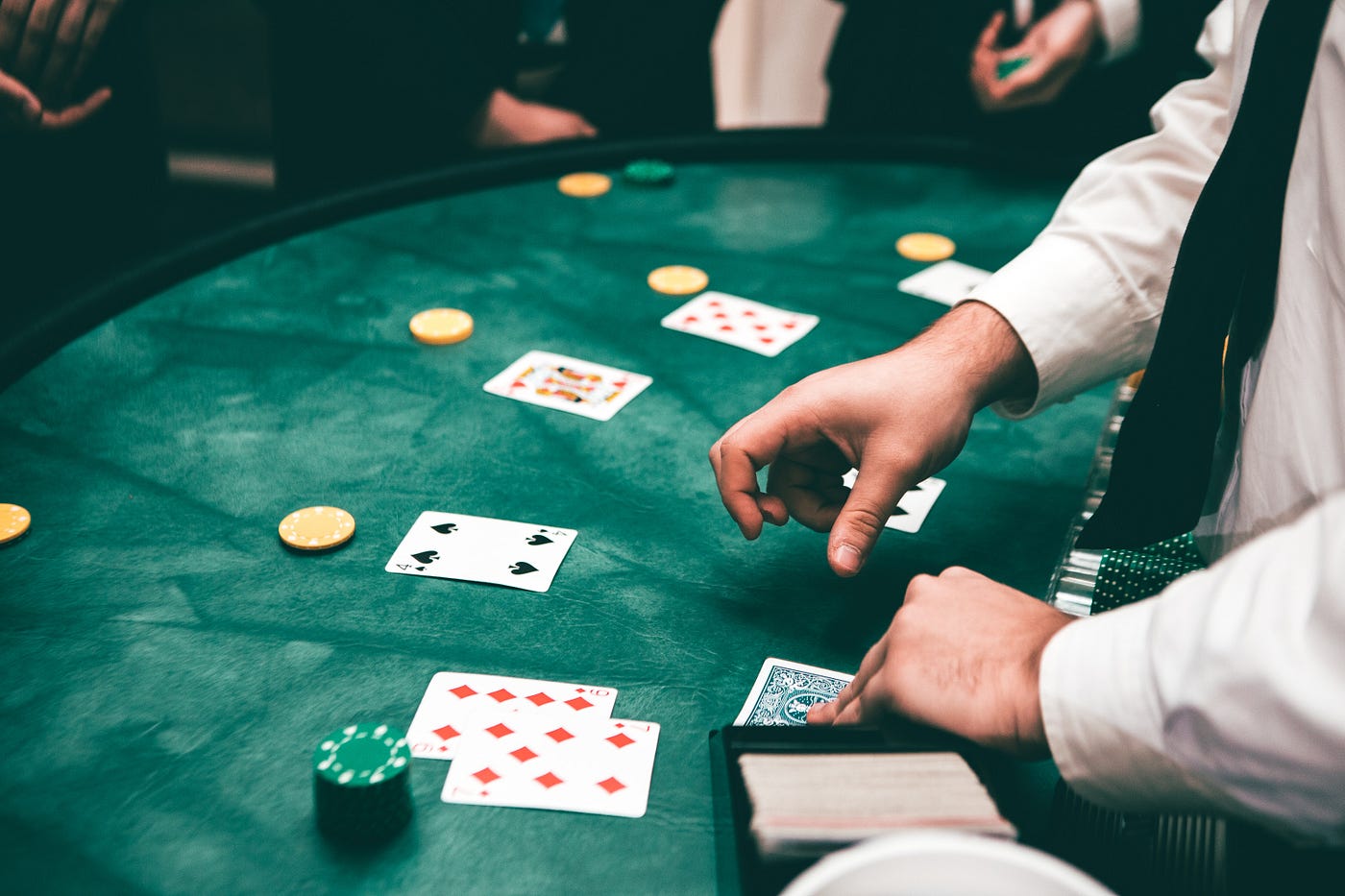
Additionally, casinos often implement loyalty programs and bonuses to encourage repeated play. These incentives create a sense of value for players, leading them to perceive their losses as investments rather than mere expenses. The psychology of loss aversion plays a significant role in this context; players are often more motivated to recoup losses than to acknowledge them as sunk costs. This mindset can lead to extended gambling sessions as individuals chase their previous losses, reinforcing the casino’s profitability while keeping players captivated by the thrill of the game.
The strategic placement of games and amenities throughout a casino also ensures that patrons remain continuously engaged. For instance, slot machines are frequently located near bars and restaurants, encouraging players to stay on the floor longer. This design maximizes revenue while maintaining an atmosphere of excitement, as players feel they are in a dynamic environment rife with constant opportunities for wins. All these marketing and design elements are carefully crafted to appeal to our psychology, effectively drawing us deeper into the world of gambling.
Understanding your gambling habits
Recognizing the psychological factors that contribute to gambling behaviors is essential, especially in a world where casinos are increasingly accessible. Understanding how environmental, social, and emotional elements influence gambling can help individuals make informed choices. Self-awareness is vital, as recognizing triggers and motivations can prevent excessive gambling from spiraling into problematic behavior. This understanding is key to maintaining a healthy relationship with betting behaviors and avoiding the pitfalls often associated with gambling.
For those looking to explore their passion for casinos while managing risks, numerous resources and support systems are available. Responsible gambling practices emphasize the importance of setting limits and remaining mindful of motivations. Engaging in casino gaming should always be about enjoyment rather than serving as a means of financial relief or escape. By striking a balance between gaming for fun and understanding one’s limits, individuals can enjoy their casino experiences in a way that is both thrilling and healthy, ensuring a positive relationship with gambling.
Being aware of one’s gambling habits promotes a more responsible approach to gaming. Moreover, sharing experiences with friends and family can help reinforce healthy attitudes towards gambling. By openly discussing motivations, wins, and losses, individuals may find encouragement to pursue a more balanced perspective. Ultimately, understanding the psychology behind our love for casinos allows players to enjoy the excitement without compromising their well-being, fostering a healthier relationship with gambling over time.